How many days do I need to see Yellowstone National Park?
How many days do I need to see Yellowstone National Park?
Imagine standing where the ground breathes, with rising steam and bright colors. It is a place that stays in your heart long after you leave the wild landscape. Many people dream of this trip for years, picturing the perfect yellowstone national park itinerary while sitting at home.
Deciding how long to stay can feel hard because the area is truly huge. You want to see the famous geysers and the local wildlife without any rush. Choosing the best time to visit this region is the first step in your journey.

We will help you find the right stay to ensure you catch every stunning sunset. This guide shows how to balance your time so you can truly feel the magic of the woods. Let’s dive into planning your dream escape to this iconic American treasure.
Key Takeaways
Discover the ideal number of days to explore every major loop.
Learn when to visit to avoid the largest summer crowds.
Identify the top spots for watching bears, wolves, and bison.
Understand travel times between the canyon and the geyser basins.
Get tips on how to see Old Faithful without the stress.
Find out how to balance hiking with scenic driving routes.
Quick Answer: How Many Days Do You Need in Yellowstone?
Planning a trip to Yellowstone National Park can be daunting, but knowing how many days to spend there can make all the difference. The park offers a wide range of experiences, from geysers and hot springs to diverse wildlife and breathtaking landscapes.
While there's no one-size-fits-all answer, here are some general guidelines to help you plan your visit.
The Short Answer for Busy Travelers
For those with limited time, 2 to 3 days can provide a taste of Yellowstone's main attractions. This duration allows you to visit iconic sites like Old Faithful, the Grand Prismatic Spring, and Yellowstone Lake.
Day 1: Explore the Upper and Lower Geyser Basins.
Day 2: Visit the Grand Canyon of the Yellowstone River and Yellowstone Lake.
Day 3 (if available): Venture into the park's lesser-visited areas or enjoy outdoor activities like hiking or wildlife watching.
What Most Visitors Choose
Most visitors to Yellowstone opt for a 4 to 5-day itinerary, which provides a more leisurely pace and the opportunity to explore beyond the main attractions. This duration allows for:
A more relaxed exploration of the park's geothermal features.
Time to enjoy hiking trails and scenic drives.
Opportunities to spot wildlife, including grizzly bears, wolves, and elk.
Ultimately, the ideal number of days for your Yellowstone visit depends on your interests, travel style, and the time of year you plan to visit. Whether you're looking for a quick overview or an in-depth exploration, Yellowstone has something to offer.
Why Yellowstone Takes Longer Than Most People Expect
The grandeur of Yellowstone National Park is such that it often takes longer to explore than most visitors initially plan for. This is due to several factors that contribute to the complexity of planning a visit.
The Park's Massive Size
Yellowstone National Park is enormous, covering over 3,468 square miles. To put that into perspective, it's larger than the states of Rhode Island and Delaware combined. This vast area encompasses a wide variety of landscapes, including geothermal features, diverse wildlife, and numerous hiking trails.
Size Comparison
EntitySize (Square Miles)Yellowstone National Park3,468Rhode Island1,214Delaware2,490
Driving Times Between Attractions
Another factor that contributes to the time required to explore Yellowstone is the driving time between attractions. The park's roads can be congested, especially during peak season, which is typically during Yellowstone National Park summer. Visitors should plan for significant travel time between the various sights.
For example, driving from the north entrance to Old Faithful can take around 1-2 hours depending on traffic and the number of stops along the way. This time can add up quickly, especially for those trying to pack a lot into their itinerary.
Wildlife Watching Adds Unpredictable Time
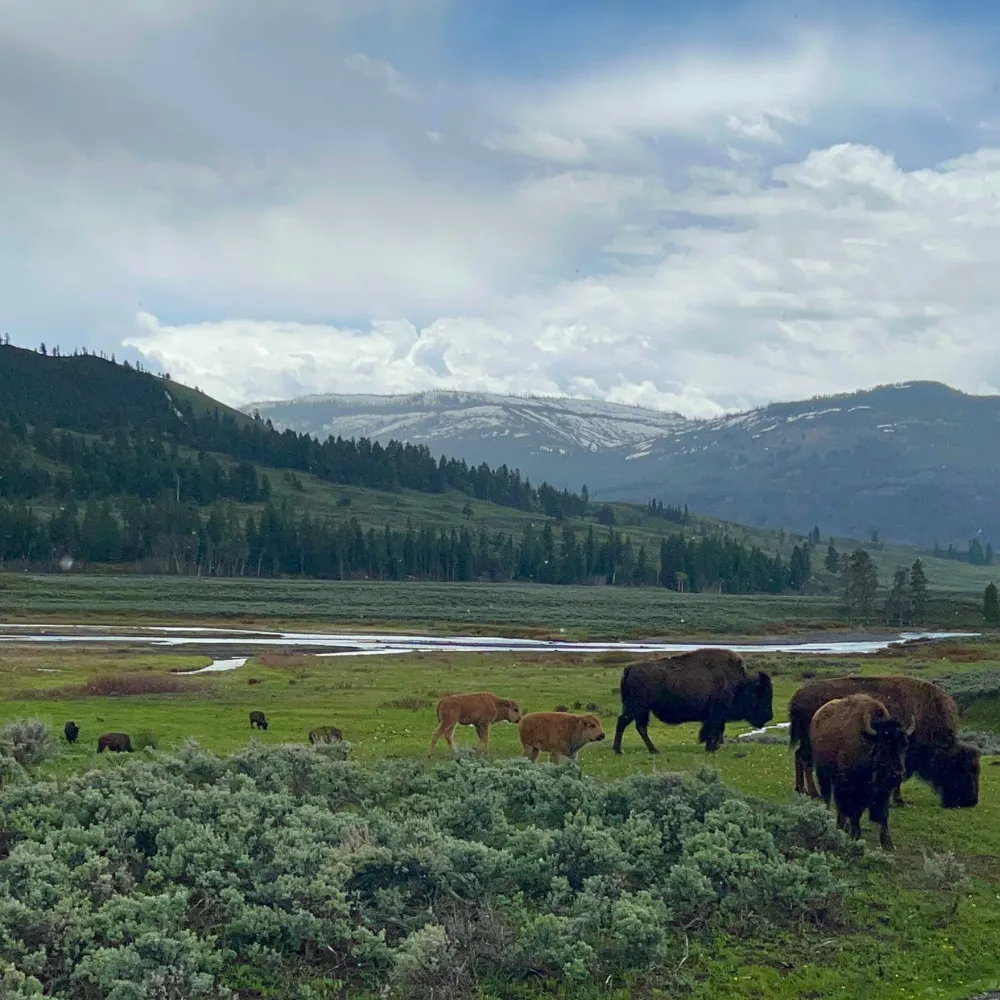
Wildlife watching is a highlight for many visitors to Yellowstone. However, it can also be a time-consuming activity due to its unpredictable nature. Spotting animals such as grizzly bears, wolves, or bison can require patience and flexibility in one's schedule.
Understanding these factors can help visitors plan their trip to Yellowstone more effectively. By considering the park's size, driving times, and the time spent on wildlife watching, travelers can create a more realistic and enjoyable itinerary.
Is 1 Day in Yellowstone Enough?
For those with tight schedules, the feasibility of experiencing Yellowstone National Park in a single day is a pressing concern. The park's vastness and the multitude of attractions it offers make it challenging to cover everything in just 24 hours.
Despite the challenge, many visitors attempt to see Yellowstone in one day, often driven by constraints such as limited vacation time or a tight travel itinerary. But the question remains: can one truly experience the essence of Yellowstone in just one day?
What You Can Realistically See in One Day
In one day, you can realistically visit a few of Yellowstone's main attractions, but you'll have to prioritize. The park is divided into several key areas, with the most popular being the Grand Loop Road, which connects major sights like Old Faithful, the Grand Prismatic Spring, and Yellowstone Lake.
A feasible one-day itinerary could include visiting the Upper Geyser Basin to see Old Faithful erupt, followed by a stop at the Grand Prismatic Spring for its breathtaking colors, and ending the day with a visit to Yellowstone Lake for a serene sunset view.
Edit
Delete
The Best Single-Day Route
The best single-day route in Yellowstone typically involves focusing on one section of the park to minimize driving time. A suggested route is to start early at the West Entrance, visit Old Faithful and the Upper Geyser Basin, then head towards the Grand Prismatic Spring and Yellowstone Lake. This route allows you to experience a mix of geothermal wonders and natural beauty.
TimeLocationActivity8:00 AMWest EntranceEnter the park9:00 AMOld FaithfulWatch the eruption11:00 AMGrand Prismatic SpringView the spring2:00 PMYellowstone LakeLunch and relaxation
Can You See Yellowstone in One Day? The Honest Truth
While it's technically possible to see some of Yellowstone's highlights in one day, it's far from ideal. The park is vast, with over 2.2 million acres to explore, and rushing through it can be stressful and unsatisfying.
The honest truth is that Yellowstone deserves more than a day. With only 24 hours, you'll miss out on the park's lesser-known gems, such as secluded hiking trails, diverse wildlife, and the unique experiences that come with staying overnight within the park.
For those planning to visit Yellowstone, considering the best time to visit Yellowstone is also crucial. The park is open year-round, but the best month to visit Yellowstone depends on your preferences regarding weather and crowd avoidance.
2-3 Days in Yellowstone: The Most Common Visit
For most visitors, spending 2-3 days in Yellowstone National Park is the sweet spot for experiencing the best of what the park has to offer. This duration allows for a good balance between exploring the park's main attractions and having some flexibility in case of unexpected delays or changes in plans.
What Two Days Allows You to Experience
With two days in Yellowstone, you can visit some of the park's most iconic sites, such as Old Faithful, the Grand Prismatic Spring, and the Upper and Lower Yellowstone Falls. You can also explore the Mammoth Hot Springs and get a glimpse into the park's rich geological history.
Two days allow you to drive through the park's main loop and stop at the major attractions. However, the time might be tight, and you might have to prioritize what's most important to you.
Is 2 Days Enough for Yellowstone?
While two days can give you a taste of Yellowstone, it might not be enough to fully appreciate the park's diverse attractions and experiences. The park is vast, and driving between locations can be time-consuming.
To help you plan, here's a breakdown of what you can expect to see in two days:
DayMorningAfternoon1Old Faithful and Upper Geyser BasinGrand Prismatic Spring and Midway Geyser Basin2Yellowstone Lake and Upper Yellowstone FallsMammoth Hot Springs and Lower Yellowstone Falls
Adding That Critical Third Day
Adding a third day to your Yellowstone itinerary can make a significant difference. It gives you the opportunity to explore beyond the main attractions and delve deeper into the park's natural wonders.
With three days, you can take a more leisurely pace, enjoy the scenic drives, and perhaps take a short hike or two. You might also consider visiting some of the park's lesser-known areas, such as the Lamar Valley, known for its wildlife viewing opportunities.
Is 3 Days Too Much? Not at All
Three days in Yellowstone is not too much; it's actually a great way to experience the park without feeling rushed. You'll have the time to enjoy the main attractions, take in the stunning scenery, and maybe even discover some hidden gems.
Moreover, having an extra day allows you to be more flexible with your plans. If you encounter unexpected delays or if you want to spend more time at a particular location, you won't feel pressured to stick to a tight schedule.
The Ideal Yellowstone National Park Itinerary: 4-5 Days
A 4-5 day visit to Yellowstone offers the perfect balance of popular attractions and off-the-beaten-path adventures. This duration allows visitors to explore the park's diverse landscapes, witness its geothermal wonders, and observe an abundance of wildlife without feeling rushed.
Why This Is the Sweet Spot for Summer Vacations
Summer is the best time to go to Yellowstone, with warm weather and long days ideal for hiking, camping, and outdoor activities. A 4-5 day itinerary during this season provides ample time to enjoy the park's many attractions without the constraints of a shorter visit.
The Yellowstone National Park summer season offers a unique experience, with the park's flora and fauna in full bloom. This duration also allows for flexibility in case of unexpected weather conditions or if you want to spend more time at a particular location.
What You'll Accomplish in Four to Five Days
With 4-5 days, you can explore Yellowstone's main attractions, including the Grand Prismatic Spring, Old Faithful, and the Upper and Lower Yellowstone Falls. You can also venture into the park's lesser-known areas, such as the Lamar Valley, known for its wildlife viewing opportunities.
DayMorningAfternoon1Explore the Grand Prismatic Spring and Midway Geyser BasinVisit the Old Faithful area and watch the geyser eruption2Hike to the Upper Yellowstone FallsDrive through the scenic Lamar Valley for wildlife viewing3Visit the Mammoth Hot SpringsExplore the travertine formations and hot springs4Take a guided tour or hike in the backcountryRelax at a scenic spot or enjoy a picnic5Visit the Lower Yellowstone FallsDepart the park or spend more time exploring
Balancing Popular Sites and Hidden Gems
A 4-5 day itinerary allows you to visit the most popular sites in Yellowstone while also discovering some of its hidden gems. You can spend your days exploring the park's main attractions and your evenings relaxing at a campground or lodge.
By balancing popular sites with lesser-known areas, you can experience the full range of what Yellowstone has to offer, from its geothermal features to its diverse wildlife and natural beauty.
When a Week in Yellowstone Makes Sense
For those who crave a deeper connection with nature, spending a week or more in Yellowstone National Park can be a truly transformative experience. This duration allows visitors to explore the park's vast wilderness, enjoy extended hiking opportunities, and discover hidden gems beyond the main attractions.
Who Should Plan 6-7+ Days
A week or more in Yellowstone is ideal for several types of travelers. Adventure-seekers will appreciate the opportunity to hike the park's more challenging trails, while nature enthusiasts can spend more time observing wildlife and exploring the park's diverse ecosystems.
Backpackers and hikers looking to tackle multi-day trails
Nature photographers who want to capture the park's beauty at different times of day and in various lighting conditions
Families with older children who can appreciate the park's more adventurous activities
Backcountry and Extended Hiking Opportunities
Yellowstone offers numerous backcountry and extended hiking opportunities that are perfect for those with a week or more to spend in the park. Some of the most popular multi-day hikes include:
The Bechler River Trail, a 27-mile hike that takes you through some of the park's most remote areas
The Skyline Trail in the Washburn Ranger District, offering stunning views of the surrounding landscape
Exploring Beyond the Main Loop
With a week or more in Yellowstone, visitors can explore beyond the main loop and discover some of the park's lesser-known attractions. This might include visiting the Bechler area, often referred to as the "Cascade Corner" of Yellowstone, or exploring the Thorofare area, which is one of the most remote regions in the park.
When planning your trip, consider the best time to visit Yellowstone National Park. The park is open year-round, but the best time to visit depends on your preferences and what you want to do. Summer is peak tourist season, but spring and fall can offer a more serene experience with fewer crowds.
What Impacts How Many Days You Should Stay
Figuring out how many days to spend in Yellowstone can be tricky, but it's influenced by a few main considerations. The ideal duration of your visit largely depends on your personal preferences, travel style, and what you want to achieve during your trip.
Your Travel Style and Pace
Your travel style significantly affects how much you can see and experience in Yellowstone. If you're someone who likes to take things easy and enjoy the scenery, you might want to add a few extra days to your itinerary. On the other hand, if you're a fast-paced traveler who wants to hit all the major highlights, you might be able to get by with fewer days.
Traveling at a leisurely pace allows you to soak in the beauty of Yellowstone's landscapes and wildlife without feeling rushed. This pace is ideal for those who want to enjoy the park's scenic drives, take leisurely hikes, and perhaps even enjoy a picnic or two amidst nature's splendor.
Traveling with Kids vs. Adults Only
Whether you're traveling with kids or it's an adults-only trip also plays a crucial role in determining your ideal stay duration. Families with young children may need to adjust their itinerary to accommodate younger travelers' needs and energy levels.
When traveling with kids, consider planning for more breaks and flexibility in your schedule. Yellowstone offers many family-friendly attractions and activities, such as the Grizzly & Wolf Discovery Center and various kid-friendly hiking trails, which can be great ways to keep children engaged.
Photography and Wildlife Priorities
If photography or wildlife watching is high on your agenda, you may want to allocate more time to your visit. Yellowstone is renowned for its diverse wildlife and breathtaking landscapes, making it a paradise for photographers and nature enthusiasts.
To make the most of your photography or wildlife watching experience, consider spending at least 4 to 5 days in the park. This duration allows you to visit during the golden hours, when lighting is optimal for photography, and to spend time at various wildlife hotspots without feeling rushed.
Entry Point and Accommodation Location
Your entry point into Yellowstone and where you choose to stay can also impact your travel plans. The park has several entrances, and staying at or near one of these entrances can save you time on travel and allow you to make the most of your visit.
Choosing accommodations within or near the park can enhance your experience by providing easy access to the park's attractions. Whether you opt for camping, lodges, or hotels in nearby towns, your accommodation choice can significantly affect your overall travel pace and enjoyment.
Best Time to Visit Yellowstone National Park
Planning a trip to Yellowstone National Park involves more than just deciding on the number of days to visit; the timing of your visit is equally crucial. The park's diverse wildlife, geothermal features, and scenic landscapes offer unique experiences throughout the year, but certain times are better suited to specific interests and preferences.
When Is the Best Time to Visit Yellowstone?
The best time to visit Yellowstone depends on what you want to see and do. The park is open year-round, but the experiences vary significantly with the seasons.
Spring (April to May) is a great time for seeing baby animals and witnessing the park's renewal. The crowds are smaller, and the scenery is particularly beautiful with blooming flowers and greenery.
Summer (June to August) is peak tourist season. The weather is warm, and all park roads and facilities are open. However, this is also the busiest time, and popular spots can be crowded.
Autumn (September to October) offers a serene experience with fewer visitors. The weather is generally mild, and the foliage can be stunning.
Winter (November to March) is ideal for those who enjoy winter sports and landscapes. Many park roads are closed, but guided tours and snowcoach trips are available for exploring the park's winter wonderland.
Yellowstone National Park Summer: Pros and Cons
Visiting Yellowstone in the summer has its advantages and disadvantages.
Pros:All park roads and facilities are open.
Warm weather is ideal for hiking and outdoor activities.
Abundant wildlife viewing opportunities.
Cons:Large crowds and long lines at popular attractions.
Higher accommodation prices.
Some areas may be closed due to construction or maintenance.
Best Month to Visit Yellowstone for Your Itinerary
The best month to visit Yellowstone depends on your priorities. If you prefer warmer weather and don't mind the crowds, July is a good choice for experiencing the park's full offerings. For a more relaxed visit with mild weather, consider September.
MonthWeatherCrowdsActivitiesJuneMild to WarmModerateHiking, Wildlife WatchingJulyWarmHighAll park facilities open, EventsAugustWarmHighHiking, FishingSeptemberMildModerateWildlife Watching, Scenic Drives
How Many Days Do You Need to See Old Faithful?
Understanding how much time to allocate to Old Faithful is crucial for planning your Yellowstone itinerary. Old Faithful is one of the park's most iconic attractions, and its predictable eruptions make it a must-see for visitors.
Old Faithful is not just a geyser; it's an experience that includes the surrounding Upper Geyser Basin, which is home to numerous other geothermal features. Therefore, allocating sufficient time to explore this area is essential.
Old Faithful and Upper Geyser Basin Time Requirements
To fully appreciate Old Faithful and the Upper Geyser Basin, you should plan to spend at least half a day in this area. The geyser itself is relatively easy to visit, with a well-developed infrastructure that includes a visitor center and a boardwalk around the geyser.
Recommended Time Allocation: Allocate a minimum of 2-3 hours to watch Old Faithful erupt and explore the immediate surroundings. However, if you wish to explore the Upper Geyser Basin thoroughly, including other geysers and hot springs, consider dedicating a full day.

Old Faithful is strategically located near other significant attractions in Yellowstone, making it easy to combine visits. The Grand Prismatic Spring, Midway Geyser Basin, and the Lower Geyser Basin are all within a reasonable driving distance.
Tips for Combining Attractions:
Plan your day around the eruption schedule of Old Faithful to maximize your time.
Consider visiting the nearby geysers and springs in the morning or late afternoon to avoid the crowds.
Use the time between Old Faithful eruptions to explore the surrounding area.
By allocating a day to Old Faithful and its surroundings, you can enjoy a comprehensive experience that includes witnessing the geyser's eruption, exploring the geothermal features, and visiting nearby attractions.
Sample Yellowstone Itineraries by Length
To help you navigate the vastness of Yellowstone, we've put together sample itineraries for different lengths of stay. These itineraries are designed to help you make the most of your time in the park, whether you're there for a quick visit or an extended vacation.
1-Day Yellowstone Highlights Itinerary
If you only have one day in Yellowstone, prioritize the park's most iconic attractions. Start early at Old Faithful, where you can watch the geyser erupt and explore the surrounding Upper Geyser Basin. From there, head to the Grand Prismatic Spring, the largest hot spring in the United States, and take in the vibrant colors. Continue to the Lower Yellowstone Falls, a breathtaking waterfall that's easily accessible from the parking area.
For a 1-day itinerary, consider the following schedule:
8:00 AM: Arrive at Old Faithful
9:00 AM: Explore Upper Geyser Basin
11:00 AM: Visit Grand Prismatic Spring
1:00 PM: Lunch at Madison Information Station
2:30 PM: Visit Lower Yellowstone Falls
3-Day Balanced Itinerary
With three days, you can experience a more balanced mix of Yellowstone's natural wonders and wildlife. Day one can focus on the Upper and Lower Geyser Basins, including Old Faithful and the Grand Prismatic Spring. On the second day, explore the Grand Canyon of the Yellowstone River and visit the Mammoth Hot Springs. The third day can be spent on a wildlife tour or exploring the park's lesser-known areas.
A sample 3-day itinerary could be:
Day 1: Upper and Lower Geyser Basins, Old Faithful
Day 2: Grand Canyon of the Yellowstone, Mammoth Hot Springs
Day 3: Wildlife tour or exploring lesser-known areas
5-Day Comprehensive Itinerary
Five days in Yellowstone allows for a comprehensive exploration of the park. You can visit all the major attractions, including Old Faithful, Grand Prismatic Spring, and the Lower Yellowstone Falls. Additionally, you'll have time to explore the park's backcountry, go on a guided hike, or take a scenic drive through the Lamar Valley, known for its abundant wildlife.
A 5-day itinerary might look like this:
Day 1: Arrival and exploration of the Upper Geyser Basin
Day 2: Grand Canyon of the Yellowstone and Mammoth Hot Springs
Day 3: Wildlife watching in Lamar Valley
Day 4: Hike in the backcountry or visit lesser-known geothermal areas
Day 5: Explore the Lower Yellowstone Falls and depart
Our Family's Recommendation After Decades of Visiting
After decades of visiting Yellowstone National Park, our family has distilled our experiences into a recommendation that we believe will enhance your trip. Over the years, we've learned what makes a visit to Yellowstone truly special and how to make the most of your time there.
Our experiences have taught us that the key to a successful Yellowstone trip is finding the perfect balance between sightseeing and relaxation. With so many incredible attractions and activities, it's easy to get caught up in trying to see everything, but we've found that leaving some room for spontaneity and relaxation makes for a more enjoyable and rejuvenating experience.
What We'd Tell First-Time Visitors
For those visiting Yellowstone for the first time, we recommend starting with the park's most iconic attractions, such as Old Faithful and the Grand Prismatic Spring. However, we also encourage you to venture off the beaten path to discover some of the park's lesser-known gems.
Exploring the park's backcountry and engaging with the local wildlife can be truly rewarding, but it's essential to do so responsibly and with respect for the natural environment.
The Perfect Balance of Sightseeing and Relaxation
Achieving the perfect balance between sightseeing and relaxation is crucial. We suggest allocating your days between exploring the park's main attractions and taking time to unwind, whether that's enjoying a picnic, watching the sunset, or simply taking a leisurely stroll.
When planning your trip, consider the best time to visit Yellowstone National Park, which typically falls in the spring and early fall. These periods offer mild weather and smaller crowds, making it easier to enjoy the park's many wonders without the peak season rush.
By following our family's recommendations and tips, you'll be well on your way to creating an unforgettable Yellowstone experience that perfectly balances adventure and relaxation.
Conclusion
Planning a trip to Yellowstone National Park requires careful consideration of several factors, including the time of year you visit and how many days you spend exploring its wonders. Understanding when to go to Yellowstone can significantly impact your experience, as the park offers different landscapes and activities throughout the year.
As discussed, the ideal duration of your visit depends on your travel style, interests, and what you want to achieve during your trip. Whether you're looking for a quick glimpse of the park's highlights or an in-depth exploration of its backcountry, Yellowstone has something to offer.
By considering the factors outlined in this article, you can create a personalized itinerary that suits your needs and makes the most of your time in this incredible national park. So, start planning your trip, and get ready to experience the natural beauty and wonder that Yellowstone has to offer.
FAQ
How many days should I plan for a Yellowstone National Park itinerary?
For most travelers, the "sweet spot" is three to five days. This timeframe allows you to explore the major geyser basins, witness the power of the Grand Canyon of the Yellowstone, and still have time for wildlife spotting in Lamar Valley without feeling like you are constantly rushing against the clock.
When is the best time to visit Yellowstone National Park?
Determining when is the best time to visit Yellowstone National Park depends on your priorities. If you want full access to all roads and facilities, the Yellowstone National Park summer season (June through August) is ideal. However, for those looking to avoid the biggest crowds while still enjoying pleasant weather, September is widely considered the best month to visit Yellowstone.
Can I realistically see Yellowstone in just one day?
While it is physically possible to drive the Grand Loop Road in a single day, you will only have time for very brief stops. If you only have 24 hours, focus your Yellowstone National Park itinerary on one specific area, such as the Old Faithful geyser basin and the Grand Prismatic Spring, rather than trying to see the entire park.
When is the best time to visit Yellowstone for wildlife viewing?
If your goal is to see grizzly bears, wolves, and elk, the best time to go to Yellowstone is during the shoulder seasons of May and June or September and October. During these months, animals are more active at lower elevations, making them easier to spot from the safety of your vehicle.
Why does it take so much longer to explore Yellowstone than other parks?
Yellowstone is massive—larger than the states of Rhode Island and Delaware combined! Beyond its size, the driving times are often slowed down by "bison jams," winding mountain roads, and strictly enforced speed limits. When planning when to go to Yellowstone, always factor in extra time for these unpredictable but memorable delays.
Is a three-day visit enough to see the highlights?
Yes, a 3-day balanced itinerary is the most common choice for visitors. It provides enough time to dedicate one day to the Lower Loop (geysers and springs), one day to the Upper Loop (waterfalls and history), and a third day to revisit your favorite spots or head out for a dedicated wildlife safari.
What is the best month to visit Yellowstone to avoid crowds?
To escape the peak summer rush, September is the best month to visit Yellowstone. The weather remains crisp and beautiful, the kids are back in school, and the thinning crowds make popular spots like Norris Geyser Basin much more peaceful.
When should I plan for a week-long stay in the park?
You should plan for six to seven days if you are an avid hiker, photographer, or if you plan on exploring the backcountry. An extended stay allows you to leave the boardwalks behind and experience the "Wild" in Yellowstone, venturing far beyond the main loop where most tourists spend their time.
Does the entry point matter for my Yellowstone National Park itinerary?
Absolutely. Yellowstone has five distinct entrances (North, Northeast, East, South, and West). Your choice of accommodation location and entry point will significantly impact your daily driving time. For example, the West Entrance in West Yellowstone, Montana, is often the most popular for those prioritizing the famous thermal features.
When to go to Yellowstone if I want to see the geysers without the summer heat?
Late May or early June is a fantastic time when to go to Yellowstone. You will see snow still clinging to the mountain peaks and the geysers produce massive plumes of steam in the cool morning air, creating a truly magical atmosphere for photography.