Yellowstone 3-Day Itinerary | Complete Day-by-Day Guide
Yellowstone 3-Day Itinerary | Complete Day-by-Day Guide
Planning a trip to America's first wilderness can feel overwhelming due to its massive size. You want to experience the magic of bubbling geysers and roaming herds without spending your entire vacation stuck in traffic.
This Yellowstone 3-day itinerary is designed to help you navigate the landscape with ease. By following this Yellowstone national park guide, you will hit the most iconic landmarks while keeping your schedule stress-free.
We focus on balancing popular tourist stops with quiet moments of natural wonder. Whether you are a first-time visitor or a returning traveler, this plan helps you maximize your limited time in the wild. Get ready to explore the best of the park with a clear, efficient path forward.
Key Takeaways
Maximize your time by grouping major attractions by geographic region.
Start your mornings early to beat the crowds and see more wildlife.
Balance high-traffic boardwalks with scenic drives to reduce stress.
Pack essential gear like binoculars and layers for changing mountain weather.
Follow this structured plan to ensure you hit every major highlight efficiently.
Planning Your Yellowstone 3 Day Itinerary
A successful journey through Yellowstone starts long before you arrive at the park gates. Yellowstone travel planning is the cornerstone of a smooth trip, helping you navigate the vast geothermal landscape with confidence. By mapping out your daily routes in advance, you ensure that you spend your precious time exploring geysers rather than sitting in traffic.
Start by selecting the right entry point based on your lodging location. The park is massive, and choosing an entrance that aligns with your daily goals can save you hours of driving. Focusing on one region per day allows you to dive deeper into the unique features of the Upper Geyser Basin or the northern valleys without feeling rushed.
Effective Yellowstone travel planning also means building flexibility into your schedule. While you should prioritize iconic landmarks, leave room for those magical, spontaneous wildlife sightings that often define a trip to the park. Proper preparation is the best way to balance your must-see list with the unpredictable beauty of nature.
Day 1 — Old Faithful & the Upper Geyser Basin
Your journey begins in the geothermal heart of Yellowstone, where the earth breathes and bubbles. This area serves as the perfect introduction to the park's volcanic activity, offering a manageable pace for your first day. You will find that the landscape here is truly unlike anything else on Earth.
Navigating the Old Faithful boardwalks
The Old Faithful boardwalks provide a safe and accessible way to witness the park's most famous geothermal features. These paths wind through a dense concentration of vents, allowing you to get close to the action without disturbing the fragile environment. You should take your time walking these trails to fully appreciate the steam rising from the ground.
Staying on the designated paths is essential for your safety and the preservation of the park. The boardwalks are well-marked and offer plenty of spots to pause for photos or to simply watch the steam vents. You will quickly realize why this area is a must-see for every visitor.
Exploring Morning Glory Pool and Castle Geyser
As you venture deeper into the basin, you will encounter some of the best geysers in Yellowstone. Morning Glory Pool is famous for its stunning, vibrant colors that change based on the temperature of the water. It is a true masterpiece of nature that rewards those who walk the full length of the trail.
Nearby, Castle Geyser stands as a testament to the raw power hidden beneath the surface. Watching it erupt is a highlight for many travelers, as it showcases the sheer force of the best geysers in Yellowstone. These features are easily accessible and provide a fantastic look at the park's unique geology.
Evening Sunset Views at Grand Prismatic Spring
To conclude your first day, head toward the Midway Geyser Basin for a Grand Prismatic Spring sunset. Visiting during the late afternoon helps you avoid the heavy midday crowds that often gather at this popular site. The low light of the evening creates a magical atmosphere that is perfect for photography.
Watching the colors of the spring shift as the sun dips below the horizon is a truly unforgettable experience. A Grand Prismatic Spring sunset offers a peaceful end to your day of exploration. You will leave the area feeling inspired by the natural beauty that defines this iconic park.
Day 2 — Grand Canyon of the Yellowstone
Prepare to be humbled by the sheer power and vibrant colors of the Grand Canyon of the Yellowstone as you begin your second day. This area showcases the park's geological diversity, moving away from the steam of geysers toward deep, carved rock walls and roaring water.
Viewing the Upper and Lower Falls
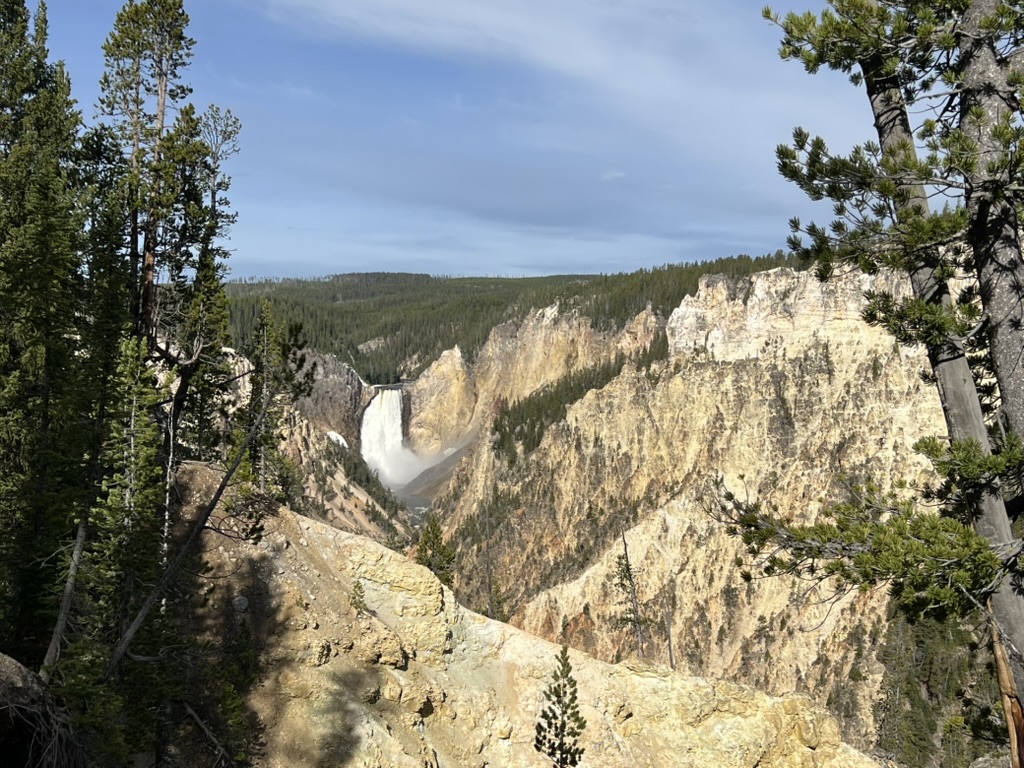
The canyon is home to two massive waterfalls that define the landscape. You should start your morning at Artist Point, which provides the most iconic view of the Lower Falls plunging into the depths below.
For a more intense experience, head to the Brink of the Lower Falls trail. This steep path allows you to stand directly above the rushing water, feeling the tremendous power of the river as it drops over the edge.
"The beauty of the canyon is not just in its depth, but in the way the light dances against the rhyolite walls, painting them in shades of gold and pink."
Hiking the South Rim Trail
After taking in the falls, lace up your boots for a trek along the South Rim Trail. This path offers a series of breathtaking vantage points that are often less crowded than the main overlooks.
You will walk through pine forests and open meadows while keeping the canyon edge in sight. It is the perfect way to appreciate the geological history of the region while enjoying a quiet morning hike.
Exploring Hayden Valley for Mid-Day Wildlife
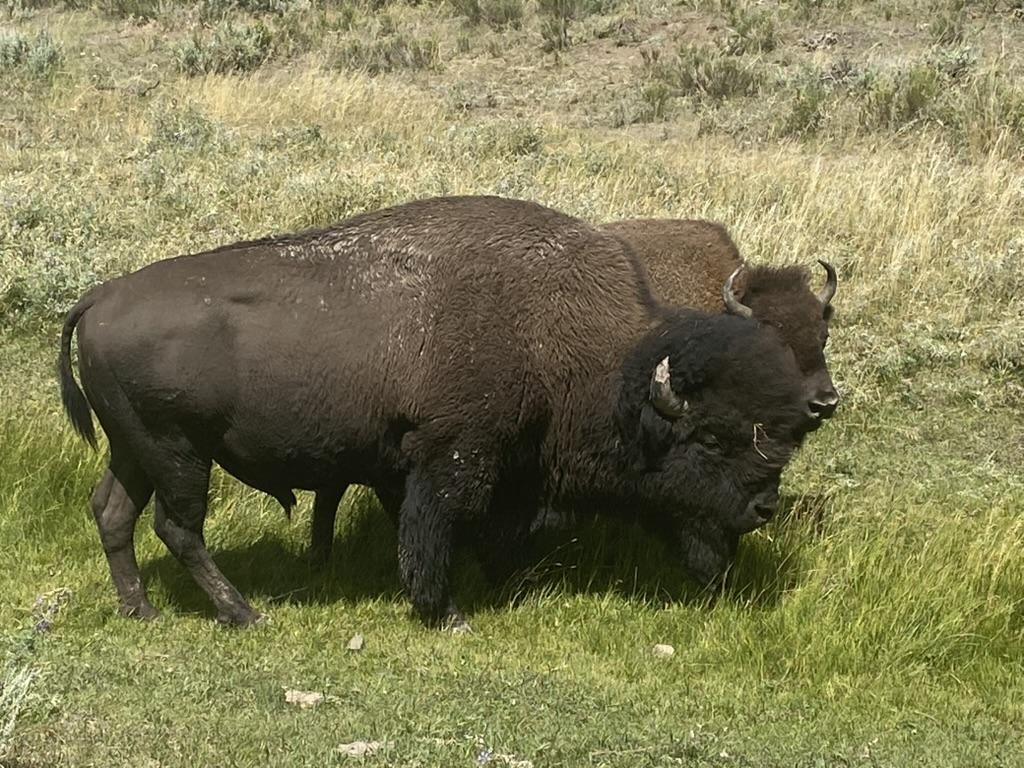
As the sun climbs higher, head toward Hayden Valley for some of the best Yellowstone wildlife viewing in the entire park. This expansive valley is a favorite gathering spot for large herds of bison that graze near the riverbanks.
Keep your binoculars ready, as you might also spot grizzly bears or bald eagles in this area. Patience is key when observing these animals in their natural habitat, so find a safe pullout and enjoy the show.
Day 3 — Lamar Valley Wildlife Loop
Prepare for an unforgettable conclusion to your journey as you head toward the rugged northern wilderness. This final day focuses on the diverse ecosystems that make the park a world-renowned destination. You will experience everything from vast open meadows to unique geological formations.
Early Morning Wildlife Spotting in Lamar Valley
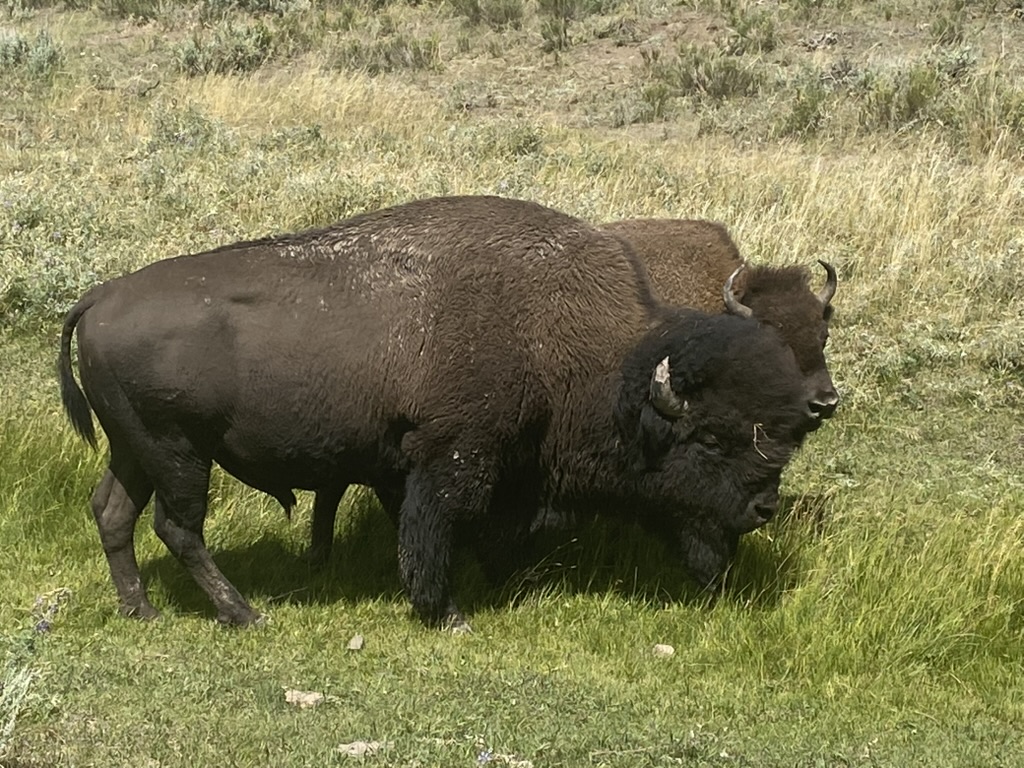
Start your day before dawn to reach the famous Lamar Valley. This area is widely considered the best place for Lamar Valley wildlife sightings in the entire park. You might catch a glimpse of wolves, grizzly bears, or large herds of bison roaming the valley floor.
For the best Yellowstone wildlife viewing experience, bring a pair of high-quality binoculars or a spotting scope. Patience is your greatest asset when waiting for animals to emerge from the tree line. Keep these tips in mind for a successful morning:
Arrive at the valley at first light for peak activity.
Stay inside your vehicle if animals are near the road.
Use pullouts to safely observe and photograph wildlife.
Listen for the sounds of the valley to locate hidden herds.
Visiting Mammoth Hot Springs Terraces
After your morning in the valley, head west to explore the Mammoth Hot Springs terraces. These stunning travertine formations offer a stark, beautiful contrast to the geyser basins you visited earlier in your trip. The water creates intricate, stepped pools that look like a frozen waterfall of stone.
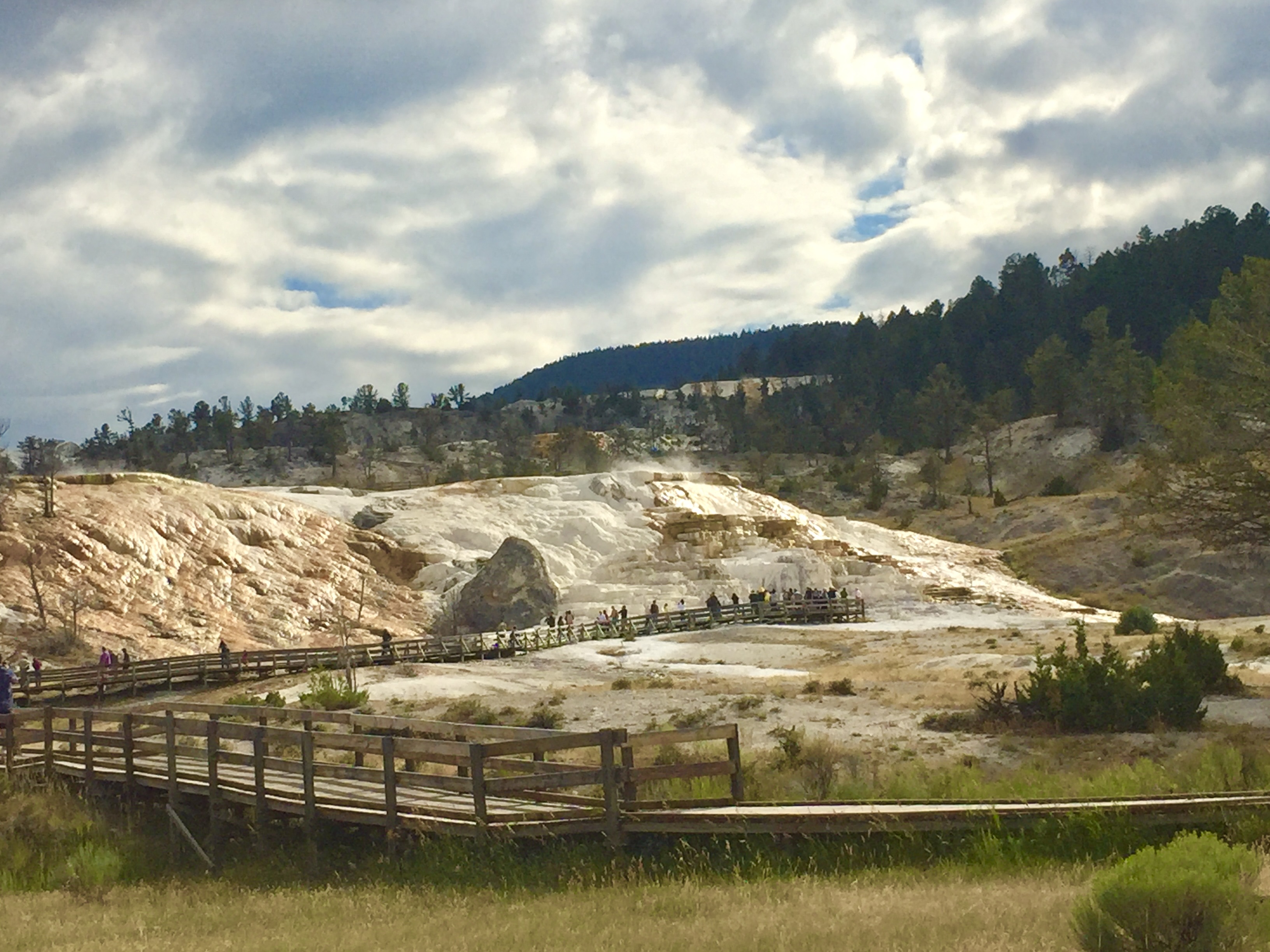
Take a walk along the boardwalks to see the different levels of the terraces up close. The colors here are truly breathtaking, ranging from bright white to deep orange and brown. It is a photographer's dream and a perfect spot to stretch your legs.
Discovering Tower Fall and Roosevelt Arch
Continue your loop by stopping at the iconic Tower Fall. This waterfall drops 132 feet into a canyon surrounded by jagged volcanic pinnacles. It is a quick but rewarding stop that showcases the dramatic geology of the northern region.
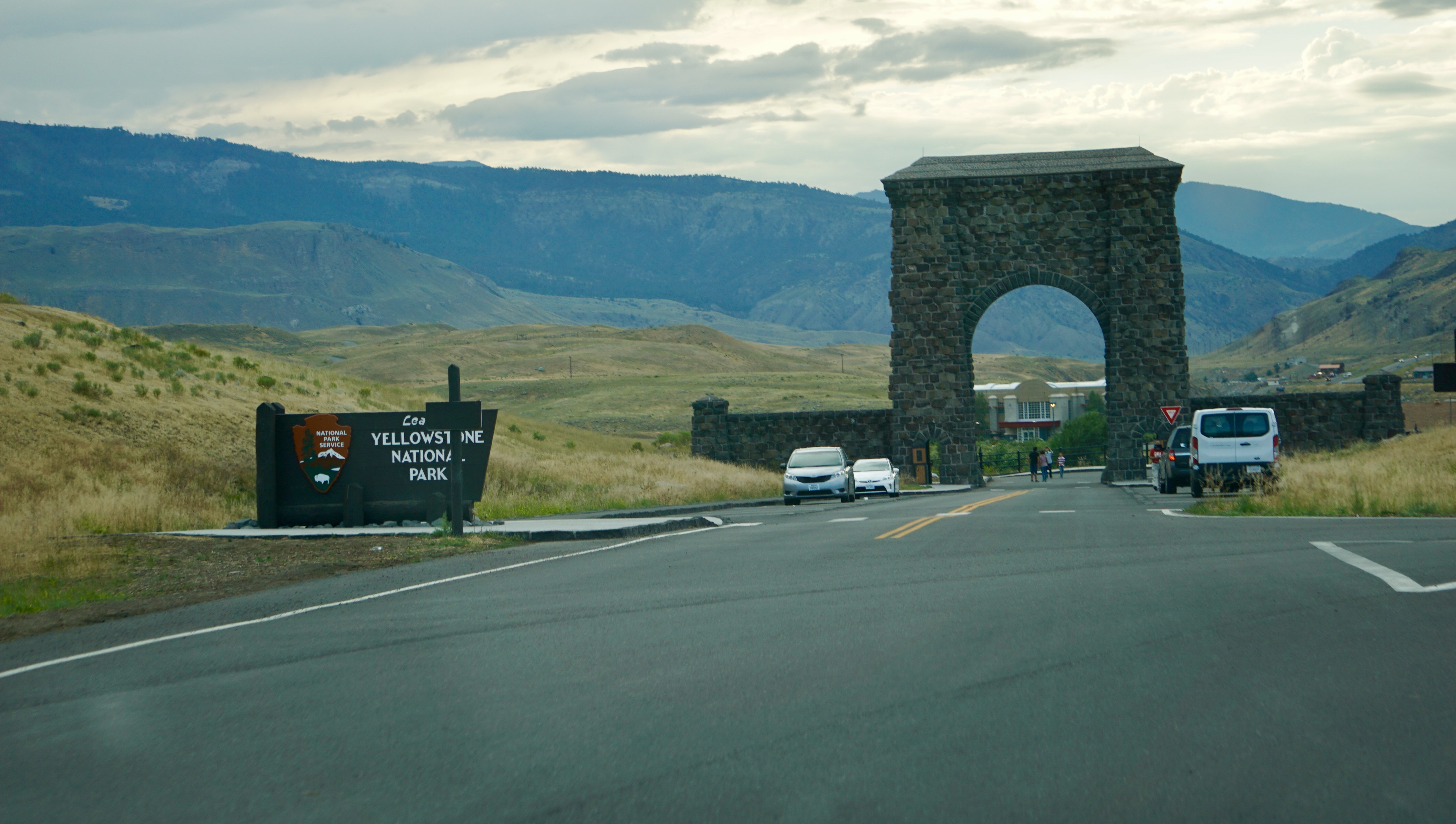
Finally, drive toward the North Entrance to see the historic Roosevelt Arch. This massive stone structure serves as a grand gateway to the park. It is the perfect place to reflect on your three-day adventure before you begin your journey home.
Where to Stay During Your 3 Days
Selecting a base camp is the first step toward a smooth and enjoyable three-day adventure. Because the park covers such a vast area, your choice of Yellowstone lodging options will directly impact how much time you spend driving versus exploring.
Choosing Between In-Park Lodges
Staying inside the park boundaries offers an unmatched level of convenience for early risers. You can wake up just minutes away from iconic geyser basins or wildlife-rich valleys.
Properties like the Old Faithful Inn provide a historic atmosphere that connects you deeply to the park's heritage. However, these rooms often book up months in advance, so planning ahead is essential for securing your spot.
Benefits of Staying in West Yellowstone
If you prefer more modern amenities and a wider selection of dining, look toward the town of West Yellowstone. Staying in West Yellowstone hotels gives you easy access to grocery stores, gas stations, and diverse restaurant choices.
This location serves as a perfect gateway to the western entrance of the park. You will find that the flexibility of town life makes it easier to manage your budget and evening entertainment after a long day of sightseeing.
Camping Options for Nature Lovers
For those who want to sleep under the stars, the park features numerous campgrounds that cater to every type of traveler. Camping allows you to stay fully immersed in the wilderness throughout your entire visit.
Whether you are bringing a tent or a large RV, you will find sites that offer stunning views of the surrounding mountains. Just remember that you must reserve these spots early, as they are highly sought after during the peak summer months.
Getting Around the Park
Mastering the park's road network is the secret to a stress-free vacation. While the scenery is breathtaking, the sheer size of the park means you will spend a significant amount of time behind the wheel. Planning your route carefully ensures you spend more time exploring and less time sitting in your car.
Yellowstone traffic tips and road navigation
Understanding Park Traffic and Road Closures
The park features a grand loop road that connects all major attractions. During peak summer months, heavy congestion can occur, especially near popular geyser basins. Always check the official park website for real-time updates regarding Yellowstone road closures, which can happen due to construction or wildlife activity.
Unexpected Yellowstone road closures are a reality of mountain travel. Staying informed allows you to pivot your itinerary quickly if a specific route becomes inaccessible. Being flexible is the best way to maintain a positive experience regardless of road conditions.
Best Times of Day to Drive
If you want to avoid the heaviest crowds, consider hitting the road early. Most visitors start their day between 9:00 AM and 10:00 AM. By starting your drive at sunrise, you can enjoy the roads with much less competition and better wildlife viewing opportunities.
Following these Yellowstone traffic tips will help you navigate the park like a pro. Late afternoon is another excellent time to drive, as many day-trippers begin to head toward the exits. Driving during these off-peak hours significantly reduces your time stuck in traffic jams.
Vehicle Requirements and Rental Tips
Your vehicle should be in top condition before you enter the park. Mountain driving involves steep grades and winding roads that can be demanding on your brakes and engine. Ensure your tires are properly inflated and your fluids are topped off before you begin your journey.
If you are renting a car, choose a model that offers good visibility and comfort for long hours of driving. Many visitors prefer SUVs for the extra ground clearance and elevated seating position. Remember to keep your gas tank at least half full, as service stations can be sparse in remote areas.
Essential Gear for Your Adventure
Packing the right equipment is the secret to a successful three-day journey through the park. Because the landscape is vast and rugged, being prepared allows you to focus on the beauty around you rather than worrying about discomfort. A well-thought-out Yellowstone packing list serves as your foundation for a stress-free experience.
Packing for Variable Mountain Weather
The weather in the mountains can shift from sunny to freezing in a matter of minutes. You should always dress in moisture-wicking layers to manage your body temperature effectively. Bringing a high-quality waterproof jacket is non-negotiable, as afternoon thunderstorms are common even during the peak of summer.
Sturdy, broken-in hiking boots are also vital for navigating the boardwalks and trails. Do not forget to pack a warm fleece or down jacket, especially if you plan to be out during the chilly early morning hours. Keeping your core warm will make your outdoor exploration much more enjoyable.
Camera Equipment for Wildlife Photography
Capturing the majesty of the local wildlife requires the right tools and a bit of patience. A telephoto lens is essential for getting clear shots of bison, elk, and bears from a safe distance. Using a lightweight tripod can also help you stabilize your camera for those crisp, high-resolution images.
Remember that your goal is to observe animals without disturbing their natural behavior. Always prioritize the safety of the wildlife over getting the perfect photograph. Respecting their space ensures that you remain a responsible visitor while building your portfolio.
Safety Gear and Bear Spray Protocols
Safety should always be your top priority when venturing into the backcountry. Carrying a reliable first-aid kit and a physical map is a smart move, as cell service is often unavailable. You must also prioritize bear spray safety when hiking by keeping your canister easily accessible at all times.
Never store your bear spray inside your backpack where it cannot be reached quickly. Practice removing the safety clip so you are ready to act if a sudden encounter occurs. Following these essential protocols will provide you with peace of mind as you explore the wilderness.
Navigating Park Dining and Provisions
Navigating the food landscape of a massive national park can feel daunting without a plan. This Yellowstone dining guide helps you manage your food needs, as options can be limited and crowded during peak hours. By preparing ahead, you ensure that your focus remains on the breathtaking scenery rather than your empty stomach.
Packing Your Own Cooler and Picnic Supplies
The most effective way to maintain your schedule is to bring your own food. Packing a high-quality cooler with sandwiches, fresh fruit, and plenty of water allows you to eat whenever hunger strikes. You will find many beautiful, designated picnic areas scattered throughout the park that offer perfect spots for a midday break.
Pro tip: Always store your food in a bear-resistant manner if you are leaving your vehicle unattended. Keeping your supplies organized makes it easy to grab a quick bite between stops at geyser basins or canyon overlooks. This simple habit saves you significant time and keeps your energy levels high for daily activities.
Finding Reliable Dining Options Inside the Park
If you prefer not to cook, you can rely on several established facilities located within the park boundaries. Many of the historic lodges offer sit-down meals, while various general stores provide grab-and-go items like salads, wraps, and snacks. These locations are essential parts of any Yellowstone dining guide for travelers who want to minimize their packing load.
To avoid the longest wait times, try to eat during off-peak hours. Visiting dining halls before 11:30 AM or after 1:30 PM often results in a much smoother experience. Planning your meals in advance ensures you spend less time standing in lines and more time exploring the wonders of the park.
Understanding Yellowstone Wildlife Safety
Keeping yourself and the animals safe is the most important part of your Yellowstone journey. While seeing large mammals in their natural habitat is a thrill, you must remember that these creatures are truly wild. Respecting their space is the best way to ensure a positive experience for everyone involved.
Bison safety tips and bear spray safety
Maintaining Proper Distance from Bison and Elk
When you encounter bison or elk, you must prioritize your personal space. These animals may look calm, but they can charge without warning if they feel threatened. Following basic bison safety tips will help you avoid dangerous situations during your visit.
Stay at least 25 yards away from bison and elk at all times.
Never approach an animal to get a better photo or a closer look.
If an animal moves toward you, back away slowly and maintain your distance.
Always yield to wildlife on the road or boardwalks.
What to Do During a Bear Encounter
Yellowstone is prime grizzly and black bear country, so being prepared is essential. You should always carry bear spray in an accessible location, not buried deep inside your backpack. Practicing bear spray safety ensures you can react quickly if a bear approaches you.
If you encounter a bear, stay calm and do not run. Running can trigger the animal's predatory instinct to chase you. Instead, follow these critical steps to stay safe:
Identify yourself by speaking in a calm, firm voice.
Slowly back away while keeping your eyes on the bear.
If the bear charges, stand your ground and prepare to use your spray.
Never drop your pack, as it can provide protection for your back.
"The best way to avoid a bear encounter is to make noise while hiking, especially in dense brush or near loud streams."— Park Ranger Guidelines
Best Times of Year to Visit
The magic of Yellowstone changes with the seasons, making your choice of dates vital. Finding the best time to visit Yellowstone depends largely on your tolerance for crowds and your desire for specific weather conditions. Because the park's accessibility shifts throughout the year, planning ahead ensures you are prepared for the unique environment of each month.
Avoiding Peak Summer Crowds
July and August are the busiest months in the park, offering full access to all roads and facilities. If you prefer to avoid the heavy traffic and crowded boardwalks, consider these strategies for a more peaceful experience:
Start your daily adventures before 8:00 AM to beat the tour buses.
Focus on visiting popular landmarks during the late evening hours when day-trippers have departed.
Explore less-traveled trails that offer solitude away from the main geothermal basins.
Visiting During the Shoulder Seasons
Many seasoned travelers find that the Yellowstone shoulder season provides the most rewarding experience. Late spring, specifically May and early June, brings lush greenery and newborn wildlife. Alternatively, September and early October offer crisp air and the chance to hear the haunting bugle of elk during the rut.
Choosing to travel during these quieter months allows you to enjoy the park with significantly fewer visitors. You will likely find that the best time to visit Yellowstone aligns with these transition periods, as the wildlife is often more active and visible. Embracing the Yellowstone shoulder season requires flexibility, as mountain weather can be unpredictable and some roads may still be transitioning to seasonal status.
Managing Your Time and Expectations
Even with the best Yellowstone travel planning, your trip requires a flexible mindset to truly enjoy the experience. You might feel tempted to cram every single sight into your three-day window, but the park is vast and travel times are often longer than they appear on a map.
Embracing a slower pace allows you to appreciate the natural beauty without the stress of a ticking clock. By focusing on quality over quantity, you ensure that your memories are defined by wonder rather than exhaustion.
Prioritizing Must-See Landmarks
When you have limited time, it is wise to identify your top priorities before you arrive. We suggest focusing your energy on the best geysers in Yellowstone, as these iconic features represent the heart of the park's geothermal activity.
If you find yourself running behind schedule, do not hesitate to skip less critical stops. Prioritizing your personal interests ensures that you spend your limited hours at the locations that matter most to you.
Handling Unexpected Road Delays
Even the most careful itinerary can be disrupted by Yellowstone road closures or heavy bison traffic jams. These moments are simply part of the authentic park experience, so try to maintain a positive attitude when delays occur.
Instead of feeling frustrated, use these pauses to enjoy the scenery or observe wildlife from the safety of your vehicle. Staying calm and adaptable will turn a potential inconvenience into a memorable part of your adventure.
Conclusion
Yellowstone National Park offers a landscape unlike any other place on the planet. You now possess a solid framework to navigate this vast wilderness with ease and purpose.
Your journey through these geothermal basins and mountain valleys will leave a lasting impression. Focus on the rhythm of the park as you move between iconic landmarks and quiet meadows.
Success in this rugged terrain relies on your ability to adapt to changing conditions. Keep your plans flexible to account for wildlife sightings or unexpected road shifts.
Respect for the environment ensures that these natural wonders remain pristine for future travelers. Pack your gear, check your safety protocols, and prepare for an unforgettable experience in the heart of the American West.
Share your favorite moments from the trail with fellow explorers. Your stories inspire others to protect and cherish these protected lands for years to come.
FAQ
What is the best way to start my Yellowstone 3-day itinerary to avoid the biggest crowds?
To make the most of your first day, you should arrive at the Upper Geyser Basin shortly after sunrise. This allows you to witness the iconic Old Faithful eruption without the midday congestion and gives you plenty of time to wander the boardwalks to Morning Glory Pool and Castle Geyser at a relaxed, friendly pace.
Do I really need to carry bear spray if I am only hiking popular trails?
Yes, you absolutely do. Whether you are walking the South Rim Trail at the Grand Canyon of the Yellowstone or exploring Lamar Valley, you are in active grizzly and black bear territory. Carrying a reliable brand like Counter Assault or UDAP bear spray is a non-negotiable safety protocol. Ensure it is holstered on your hip or chest for quick access, rather than buried in your backpack.
Where should I stay to minimize my daily driving time?
For your Yellowstone 3-day itinerary, staying inside the park at the Canyon Lodge & Cabins or the Old Faithful Inn is ideal for reducing transit. If those are full, West Yellowstone is the best gateway town, offering a variety of West Yellowstone hotels and easy access to the park’s geothermal loop and Grand Prismatic Spring.
What are your top Yellowstone traffic tips for a stress-free experience?
The golden rule is to "drive early and stay late." Aim to be at your first major landmark by 7:00 AM to beat the tour buses. Also, make it a habit to check the National Park Service (NPS) website for any sudden Yellowstone road closures, which can happen due to construction or "bison jams" in places like Hayden Valley.
What should I include on my Yellowstone packing list for variable weather?
You should prepare for "four seasons in one day." Your Yellowstone packing list should include moisture-wicking layers, a warm fleece from a brand like Patagonia, and a sturdy waterproof jacket. Even during a summer visit, temperatures near Mammoth Hot Springs or Tower Fall can drop significantly once the sun goes down.
Is it better to visit during the peak summer or the shoulder season?
While summer offers the most reliable weather, visiting during the Yellowstone shoulder season (late May or September) is highly recommended. You will encounter fewer tourists at the Upper and Lower Falls, and the Yellowstone wildlife viewing is often superior as animals like elk and moose are more active in the cooler temperatures.
How can I see the most wildlife in a limited amount of time?
For the best Lamar Valley wildlife sightings, you need to be in the valley at dawn. This is the prime time for spotting wolves and grizzly bears. Bring a high-quality pair of Vortex Optics or Nikon binoculars to observe them safely, and always remember to follow bison safety rules by staying at least 25 yards away from the herds.
What are the best dining options for a busy 3-day trip?
Since your time is limited, your best bet is to pack a YETI cooler with lunch supplies and snacks. This allows you to enjoy a picnic at Hayden Valley or Roosevelt Arch without waiting for a table. If you prefer a sit-down meal, the Mammoth Hotel Dining Room offers great local fare, but try to eat during "off-peak" hours to save time.